Listen to Students
Our 2026 statewide survey gathered perspectives from 750+ North Carolina high school students across six regions, examining how prepared they feel for adulthood.
Research · Education · Advocacy
The North Carolina Financial Literacy Initiative is a student-led research and advocacy initiative working to identify gaps in financial education and advance practical, evidence-based solutions for the next generation.
North Carolina high school students surveyed
North Carolina regions represented
Average self-reported preparedness for adulthood
Our Mission
Our mission is to identify gaps in financial preparedness among North Carolina students and turn those findings into practical recommendations for stronger financial education.
Our 2026 statewide survey gathered perspectives from 750+ North Carolina high school students across six regions, examining how prepared they feel for adulthood.
Students reported an average preparedness score of just 5.1/10. Students who reported completing EPF reported higher preparedness on average than those who had not taken it. This observational association does not establish causation.
We share research with educators, education leaders, and the public to encourage earlier, more practical financial education that connects classroom learning with everyday decisions.
Featured Research · 2026
Between March and June 2026, NCFLI surveyed more than 750 high school students across six North Carolina regions to examine their confidence in handling financial responsibilities after graduation. The findings reveal a gap between classroom financial education and how prepared students feel for adulthood.
The Central Finding
Students rated their preparedness just 5.1 out of 10.
Surveyed students reported only moderate confidence in their readiness for adulthood, raising important questions about how financial education prepares students for real-world responsibilities.
Explore the study's methodology, findings, and implications for financial education in North Carolina.
Explore the Full ResearchAverage Self-Reported Preparedness
This measure reflects student perceptions, not an objective assessment of financial knowledge.
Ideas into Perspective
Exploring financial education through independent writing, published commentary, and ideas for meaningful change.
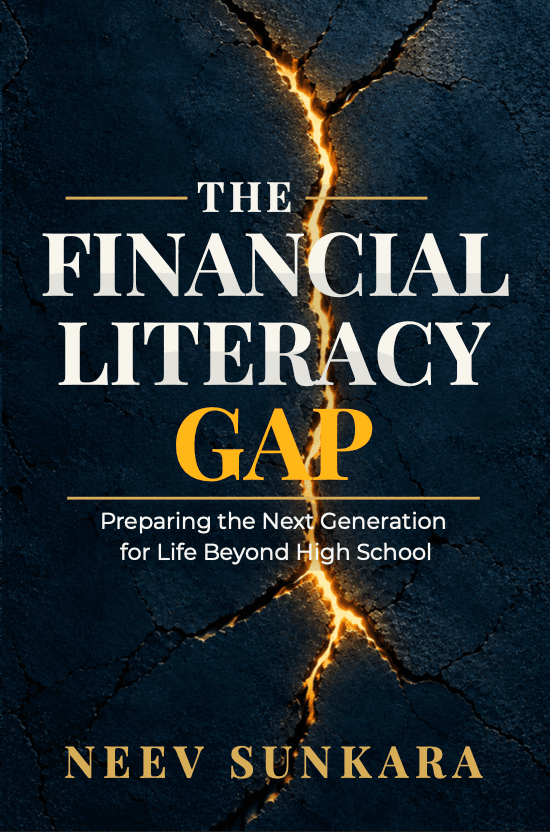
Published Book · Financial Education
Preparing the Next Generation for Life Beyond High School. An examination of gaps in financial education, why they matter, and how we can better prepare students for financial independence.
View Book
Commentary · Carolina Journal
An argument for introducing financial education earlier, connecting classroom lessons to everyday decisions, and preparing students for responsibilities beyond graduation.
Read Article